

To maintain and promote the timber industry in Alaska as a vital economic contributor, several strategic actions can be taken.
Strategic Actions
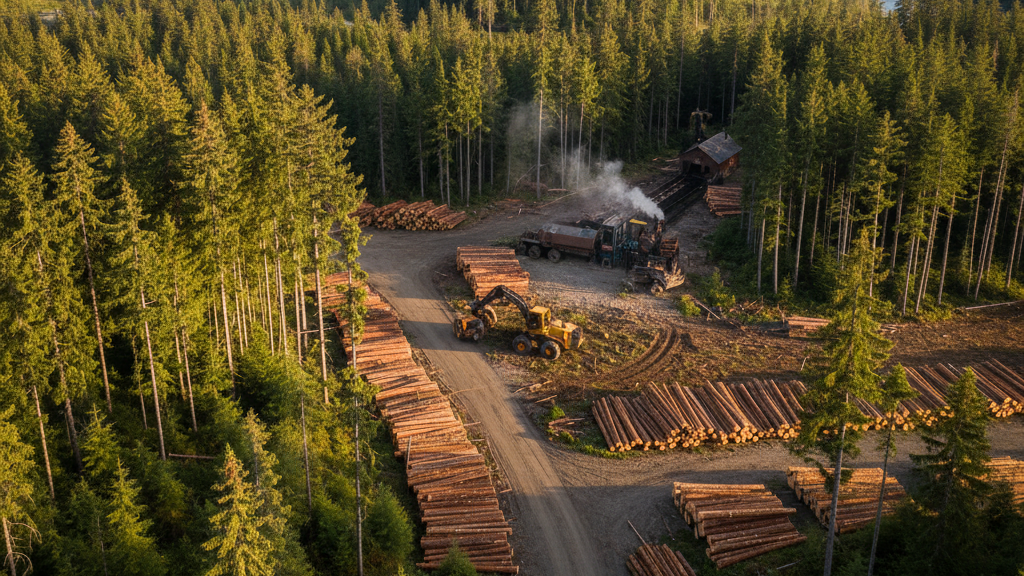
Infrastructure Development
Invest in infrastructure projects that improve access to remote forestry areas, such as roads, ports, and transportation networks. This will facilitate the efficient movement of timber products and support the logistics of the industry.
Sustainable Harvesting Practices
Implement and promote sustainable forestry practices that balance economic needs with environmental stewardship. This includes adherence to responsible logging practices, reforestation efforts, and habitat conservation to ensure long-term viability.
Support for Local Timber Businesses
Provide financial incentives, grants, or low-interest loans to local timber companies and entrepreneurs to encourage growth and innovation within the industry. Supporting small businesses can help diversify the economic base.
Education and Workforce Training
Develop training programs and partnerships with community colleges and vocational schools to equip the current and future workforce with the skills needed in the timber industry, including forestry management, logging techniques, and machinery operation.
Research and Development
Invest in research initiatives focused on improving timber production, pest management, and sustainable practices. Innovations in technology and methods can enhance productivity and reduce environmental impact.
Market Development
Promote Alaskan timber products through marketing campaigns that highlight their quality and sustainability. Expanding market access, both domestically and internationally, can increase demand for Alaskan timber.
Collaboration with Indigenous Communities
Work with Indigenous communities to incorporate traditional knowledge and practices in forestry management. Collaborating on conservation efforts can enhance sustainability while respecting cultural values.
Policy Advocacy
Engage with state and federal policymakers to advocate for supportive legislation that benefits the timber industry, including access to federal funding for infrastructure and environmental restoration projects.
Environmental Stewardship Initiatives
Encourage and incentivize timber companies to participate in eco-certification programs that demonstrate commitment to sustainable practices, appealing to environmentally conscious consumers.
Community Engagement
Foster community involvement in forestry initiatives, including public awareness campaigns about the importance of the timber industry for Alaska’s economy and its role in global markets.
By implementing these strategies, Alaska can ensure that its timber industry remains strong, vibrant, and prosperous, benefiting both the current workforce and future generations while contributing to the overall economic prosperity of the state and the nation.