

Pursue federal and state grants specifically aimed at substance abuse treatment and mental health services. Explore partnerships with private organizations and nonprofits focused on health care.
Assessment of Current Needs
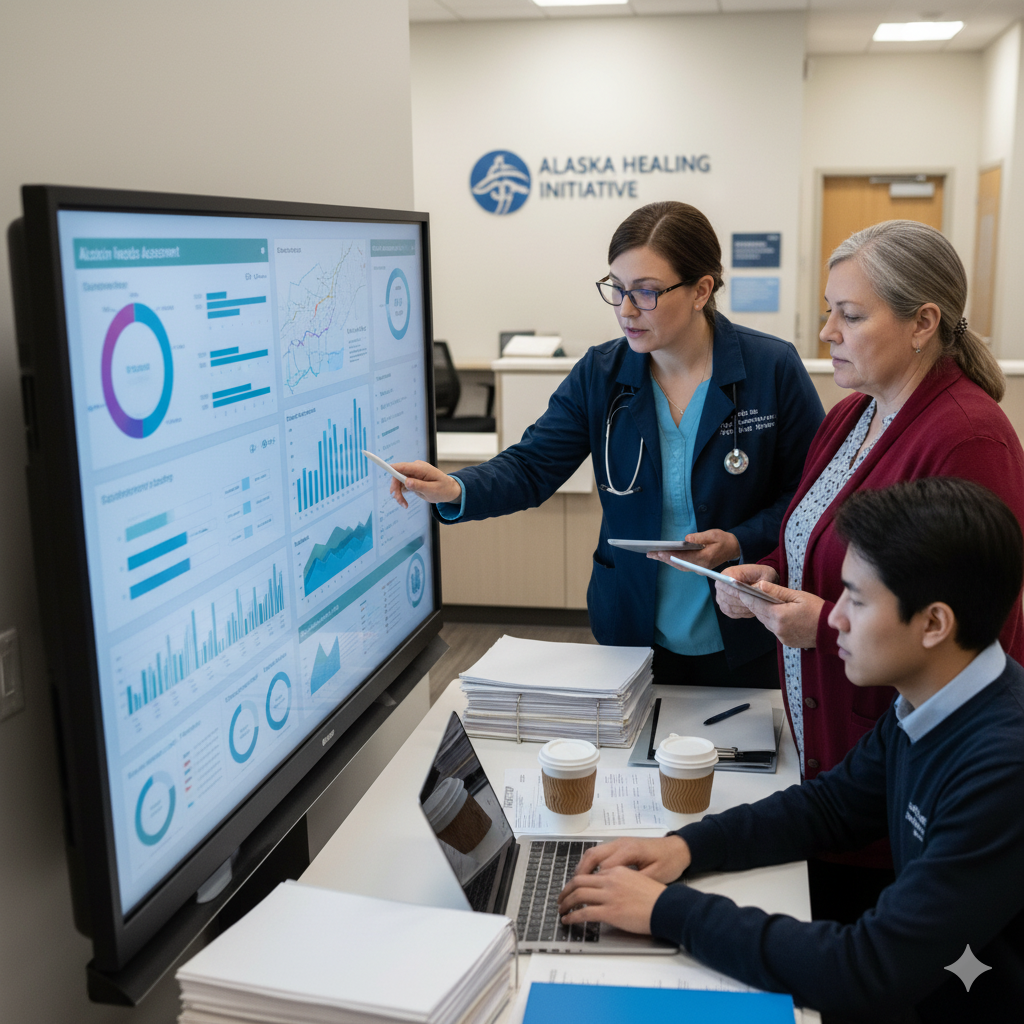
Data Collection
Gather data on substance abuse rates, existing facilities, and gaps in services across different regions, particularly in rural and Indigenous communities.
Community Input
Engage with local residents, healthcare providers, and community leaders to understand specific needs and barriers to accessing care.
Program Development
Comprehensive Treatment Models
Develop treatment programs that incorporate evidence-based practices, including detoxification, counseling, and aftercare support. Consider integrating culturally sensitive approaches that respect Indigenous traditions and healing practices.
Mental Health Integration
Ensure that mental health services are part of the rehabilitation process, addressing co-occurring disorders that often accompany substance abuse.
Facility Planning and Development
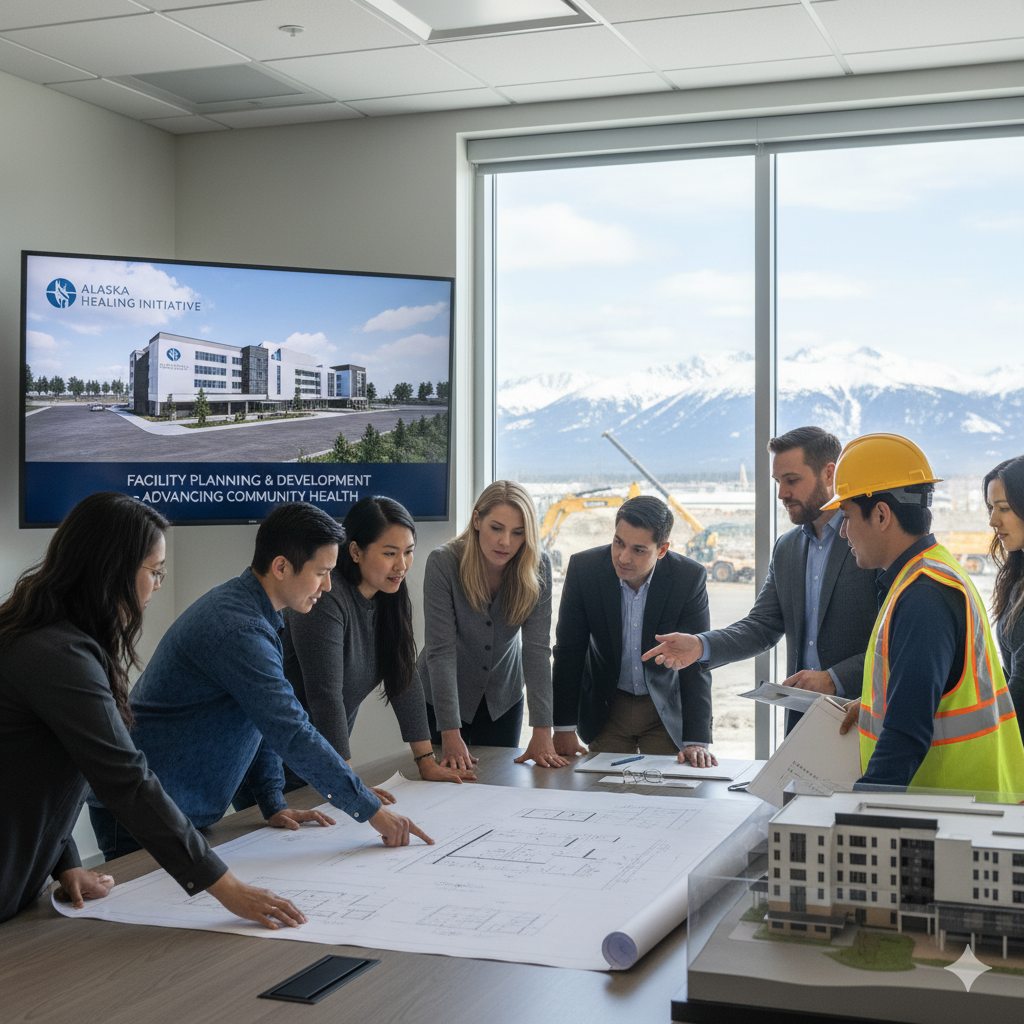
Location Selection
Identify strategic locations for new rehab centers, considering accessibility for communities in need. Anchorage, as the largest city, could serve as a central hub, with satellite facilities in rural areas.
Facility Design
Create welcoming, safe environments that promote healing and recovery. Incorporate communal spaces, counseling rooms, and areas for family involvement.
Workforce Development
Training Local Professionals
Develop training programs for Alaskans to become certified in addiction counseling and mental health services. This not only creates jobs but ensures that providers understand the unique cultural context.
Attracting Qualified Staff
Offer competitive compensation and benefits to attract experienced professionals from outside Alaska, ensuring they are committed to the community and its needs.
Funding and Resources
State and Federal Funding
Pursue federal and state grants specifically aimed at substance abuse treatment and mental health services. Explore partnerships with private organizations and nonprofits focused on health care.
Community Partnerships
Engage local businesses and philanthropic organizations to support the development and sustainability of rehab centers.
Collaboration with Healthcare Facilities
Integration with Existing Services
Work with hospitals and healthcare providers to develop referral networks, ensuring that individuals in need of treatment can access services seamlessly.
Emergency Response Protocols
Establish protocols for emergency services to connect individuals in crisis directly to rehab facilities.
Education and Awareness
Public Awareness Campaigns
Launch campaigns to educate the community about substance abuse, recovery options, and the importance of seeking help. Use local media and community events to disseminate information.
School Programs
Implement educational programs in schools to raise awareness about the dangers of substance abuse and promote healthy coping strategies.
Evaluation and Continuous Improvement
Outcome Measurement
Develop metrics to evaluate the effectiveness of rehab programs and facilities, focusing on recovery rates, client satisfaction, and community impact.
Feedback Mechanisms
Create channels for clients and families to provide feedback on services, helping to refine and improve programs over time.
Conclusion
Establishing and expanding drug rehabilitation centers in Alaska is a critical step toward addressing substance abuse and its associated challenges. By focusing on community involvement, culturally sensitive care, and the development of local professionals, you can create a sustainable framework that not only assists those in need but also fosters healthier communities. This initiative can help break the cycle of addiction, promote family stability, and ultimately support the Alaskan dream for future generations.